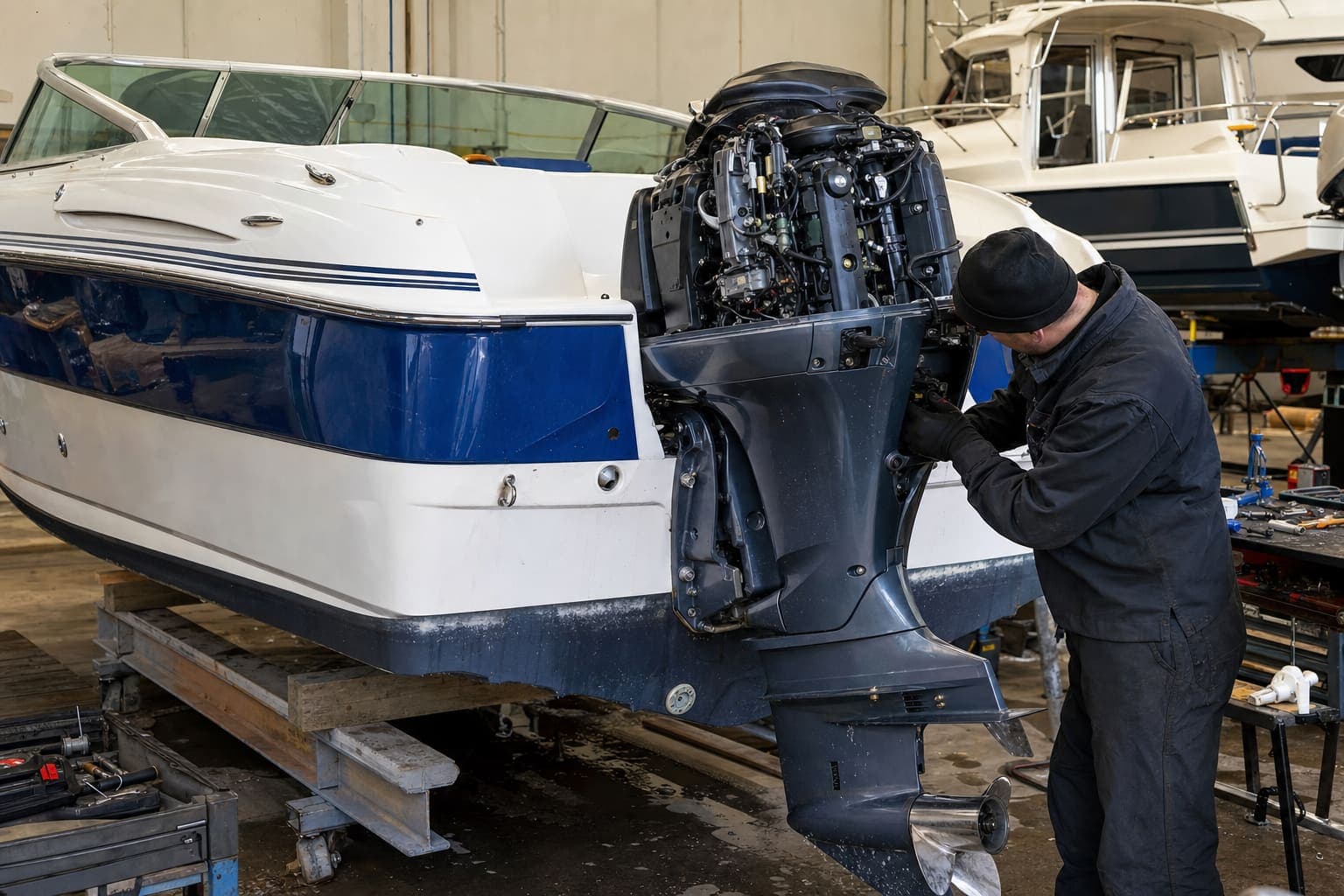
Types of Boat Repair Common in Chicago
Engine repair is the most frequent category of marine service need. Outboard, inboard, and sterndrive engines all require specific expertise. Look for mechanics with certification from major engine manufacturers (Mercury, Yamaha, Volvo Penta) as this indicates formal factory training in those systems.
Fiberglass and gelcoat repair addresses cracks, osmotic blisters, and cosmetic damage that's common on Lake Michigan boats from dock rash, grounding, and the freeze-thaw cycle. Quality fiberglass repair matches gelcoat color precisely and leaves no visible evidence of the repair — this is a skill that separates experienced marine repair facilities from general contractors.
Marine electronics installation and repair covers GPS, chartplotters, VHF radios, fishfinders, and marine audio systems. These systems are affected by the damp, vibrating marine environment more aggressively than comparable automotive electronics. Marine electronics specialists understand both the installation requirements and the troubleshooting techniques for these systems.
Electrical systems troubleshooting addresses common issues like dead batteries, corroded connections, and electrical gremlins that plague older boats. Chicago boaters who've had a vessel sitting in winter storage often face electrical issues in spring — a marine electrician who can systematically diagnose the system is invaluable.
How to Find a Reliable Marine Mechanic in Chicago
Ask your marina. Harbor office staff and fellow slip holders are your best source of word-of-mouth recommendations for marine service. A mechanic who has a good reputation among experienced Chicago boaters is a strong starting point.
Check certifications. The National Marine Electronics Association (NMEA) certifies electronics technicians; major engine manufacturers certify service technicians. A facility with certified technicians in the specific work you need is preferable to one with general-purpose boat mechanics.
Get written estimates for major work. Before authorizing engine rebuilds, hull repairs, or significant electrical work, get an estimate in writing. Understand what's included, what could change the final price, and what happens if additional issues are discovered mid-repair.
Ask specifically about their experience with your boat's engine brand and hull type. A mechanic who primarily works on outboards may not be the right choice for a twin inboard diesel. Specificity of expertise matters in marine service.
Diagnosing Common Problems on Lake Michigan Boats
Chicago-area boats develop specific failure patterns shaped by Lake Michigan's environment. Raw water cooling impellers — the rubber paddle wheels that circulate lake water through engine cooling systems — are among the most common service items. Lake Michigan's cold spring and warm summer temperatures, combined with frequent operation, stress these components. Replacing the raw water impeller annually is standard practice for attentive Chicago boaters.
Electrical corrosion is ubiquitous in Chicago's marina environment, particularly at connections exposed to the wet harbor atmosphere. Bilge switches, navigation light connections, and battery terminals on Chicago boats often show significant corrosion within a season or two if not treated with dielectric grease and kept protected. Marine-grade wiring with tinned conductors performs far better than standard automotive wiring in this environment.
Gelcoat blistering occurs when water migrates through the outer gelcoat layer into the fiberglass laminate below, forming bubbles in the hull surface. Chicago boats stored in the water on seasonal slips develop blisters more readily than boats that are trailered — the continuous water contact accelerates the osmotic process. A fall haul-out inspection that includes bottom inspection is important for catching blistering before it progresses to structural delamination.
Emergency Preparedness and On-Water Resources in Chicago
Sea Tow and BoatUS are the two primary on-water towing and assistance services on Lake Michigan near Chicago. Both maintain fleets in the Chicago area and respond to breakdowns, groundings, and other non-emergency situations. Annual membership in one of these services is a worthwhile investment for any boater who takes their vessel on Lake Michigan — towing from a breakdown position offshore to the harbor can otherwise be a significant unbudgeted expense.
The US Coast Guard Sector Lake Michigan is the emergency response authority for Chicago-area waters. VHF Channel 16 is monitored continuously and is the appropriate contact for any situation involving risk to life, vessel, or the environment. The USCG maintains patrol boats and helicopter assets capable of reaching most Chicago-area waters within reasonable response times for genuine emergencies.
A basic emergency toolkit aboard your Chicago boat should include: flares checked for currency, a working fire extinguisher (check gauge monthly), a manual bilge pump as backup to any electric pump, a throw rope for man-overboard situations, and a first aid kit appropriate for marine use. VHF radio and a float plan filed with someone onshore complete the safety picture for responsible Lake Michigan boating.
Working with Marine Service Providers in Chicago's Harbor System
Chicago's boating community has a well-developed network of marine service providers who work throughout the harbor system. Many mechanics offer mobile service to slips, which is particularly convenient for routine maintenance and diagnostics that don't require haul-out. Slip holders at Monroe, Burnham, and Belmont Harbor generally have the most options for on-site service given the larger slip holder communities at these facilities.
Spring backlog is the most significant scheduling challenge in Chicago marine repair. Every boat in the system needs to be inspected, serviced, and commissioned in approximately the same 6-week window from mid-April through late May. Mechanics who are excellent get booked first and furthest in advance. Establishing a relationship with a preferred mechanic during the season — and scheduling next spring's service before the current season ends — is the most effective way to secure priority access to quality marine service in Chicago.