General Chicago Boating Questions
Chicago's boating season runs from approximately May through October, with peak activity from Memorial Day through Labor Day. The city's lakefront infrastructure — harbors, marinas, rental operators, and charter companies — operates on this seasonal calendar.
Lake Michigan is the defining feature of Chicago's waterfront. The lake is 307 miles long, 118 miles wide at its widest, and remarkably deep for an inland body of water. Boating on Lake Michigan is a genuine open-water experience — not a river or bay — and requires appropriate respect for conditions.
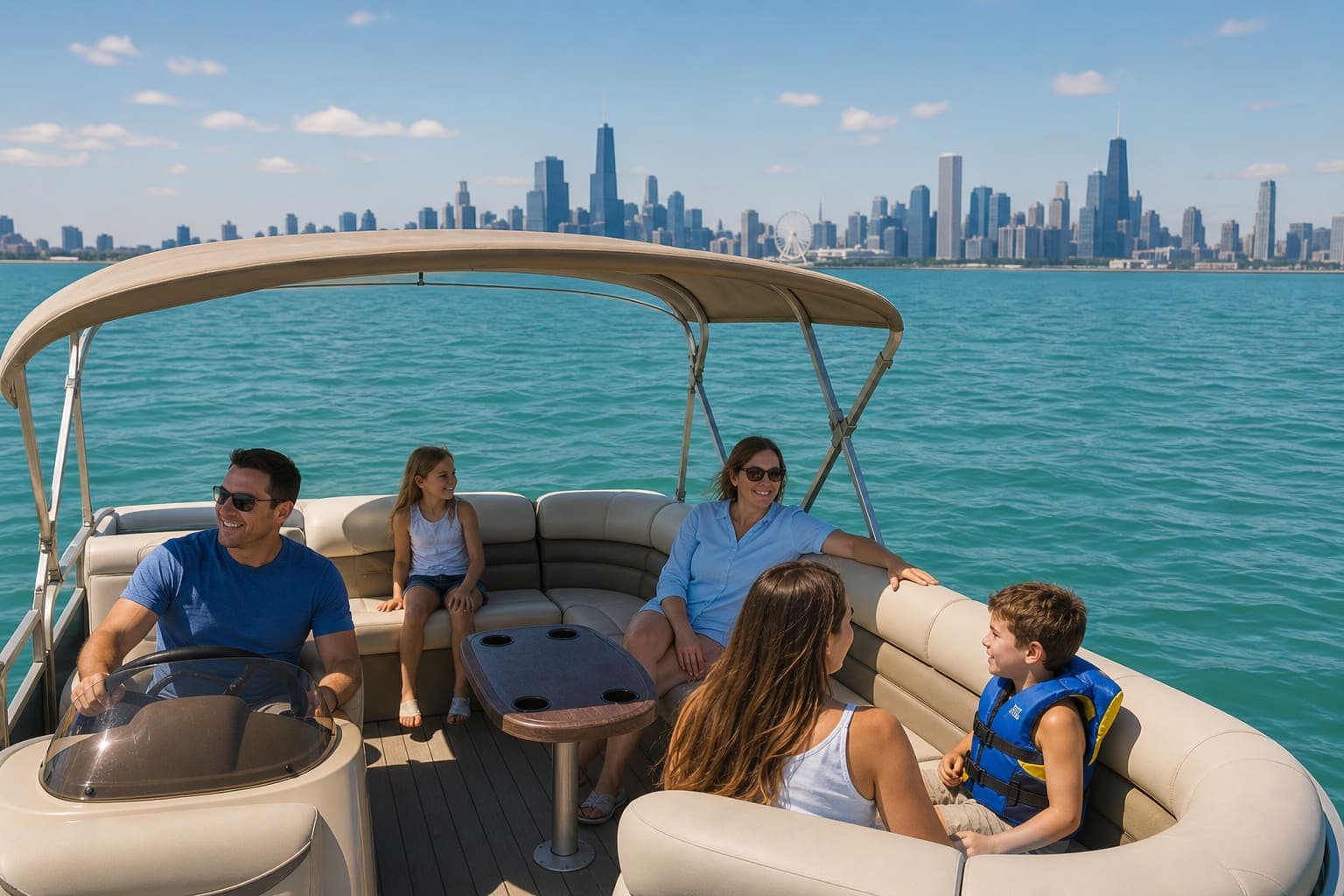
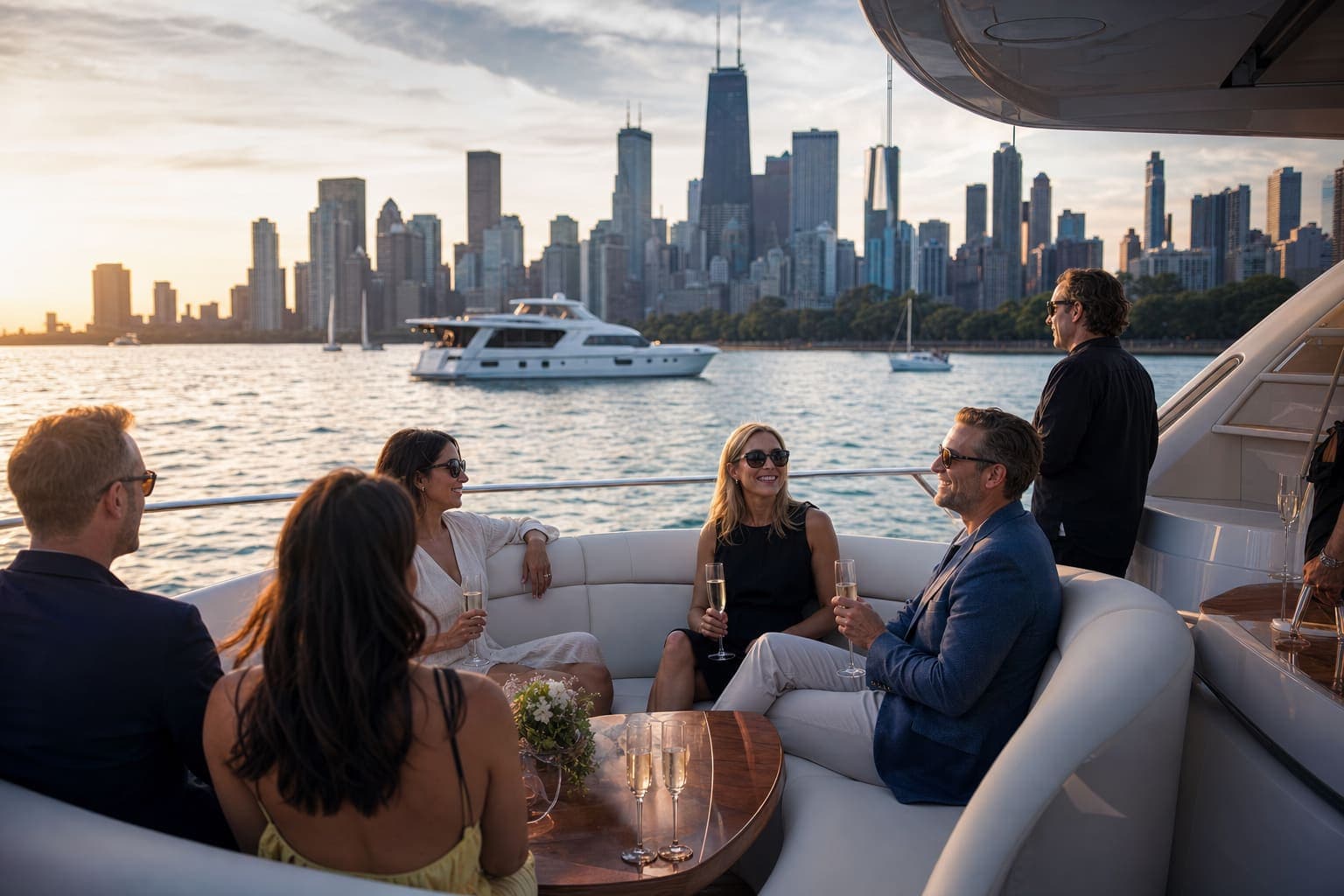
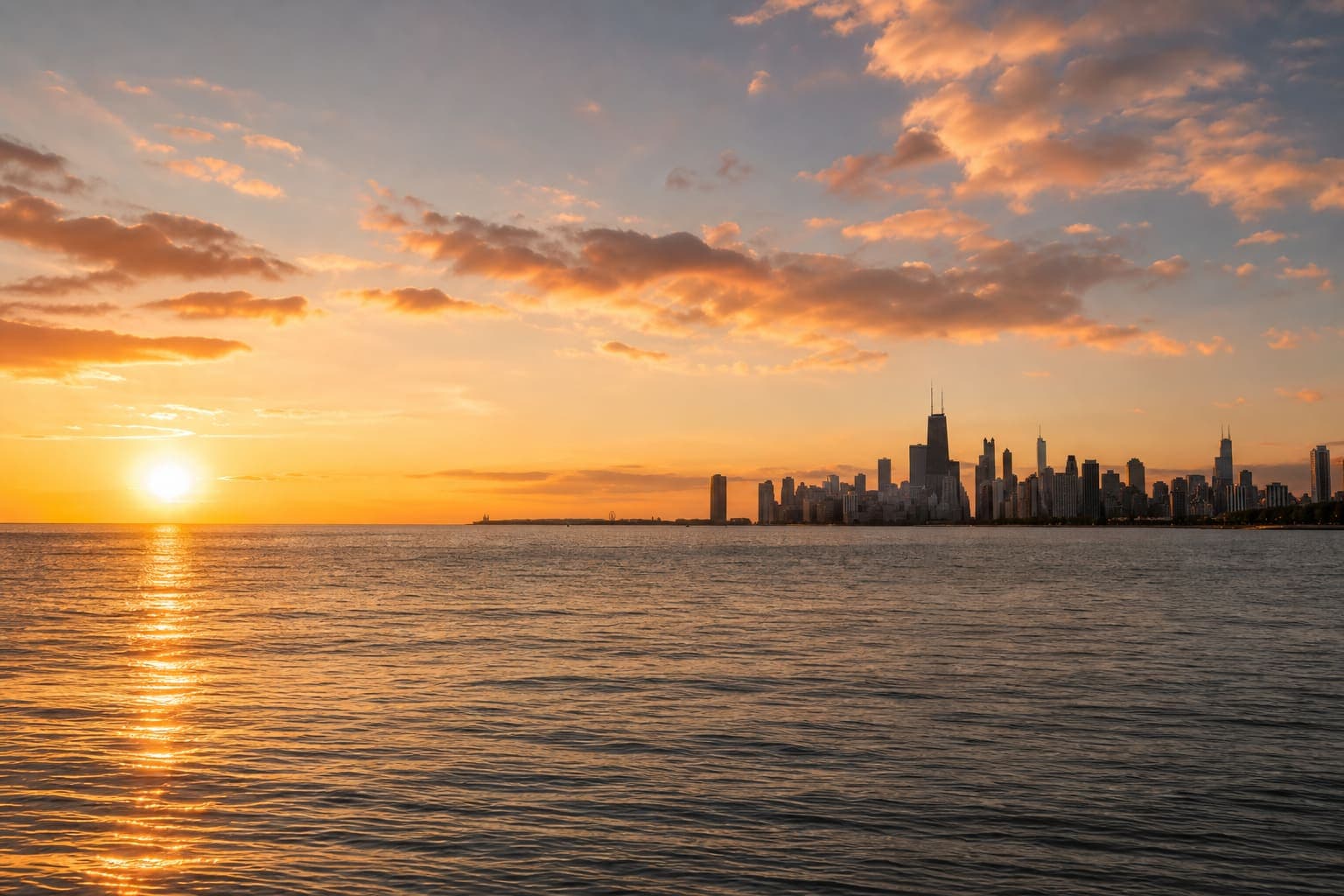
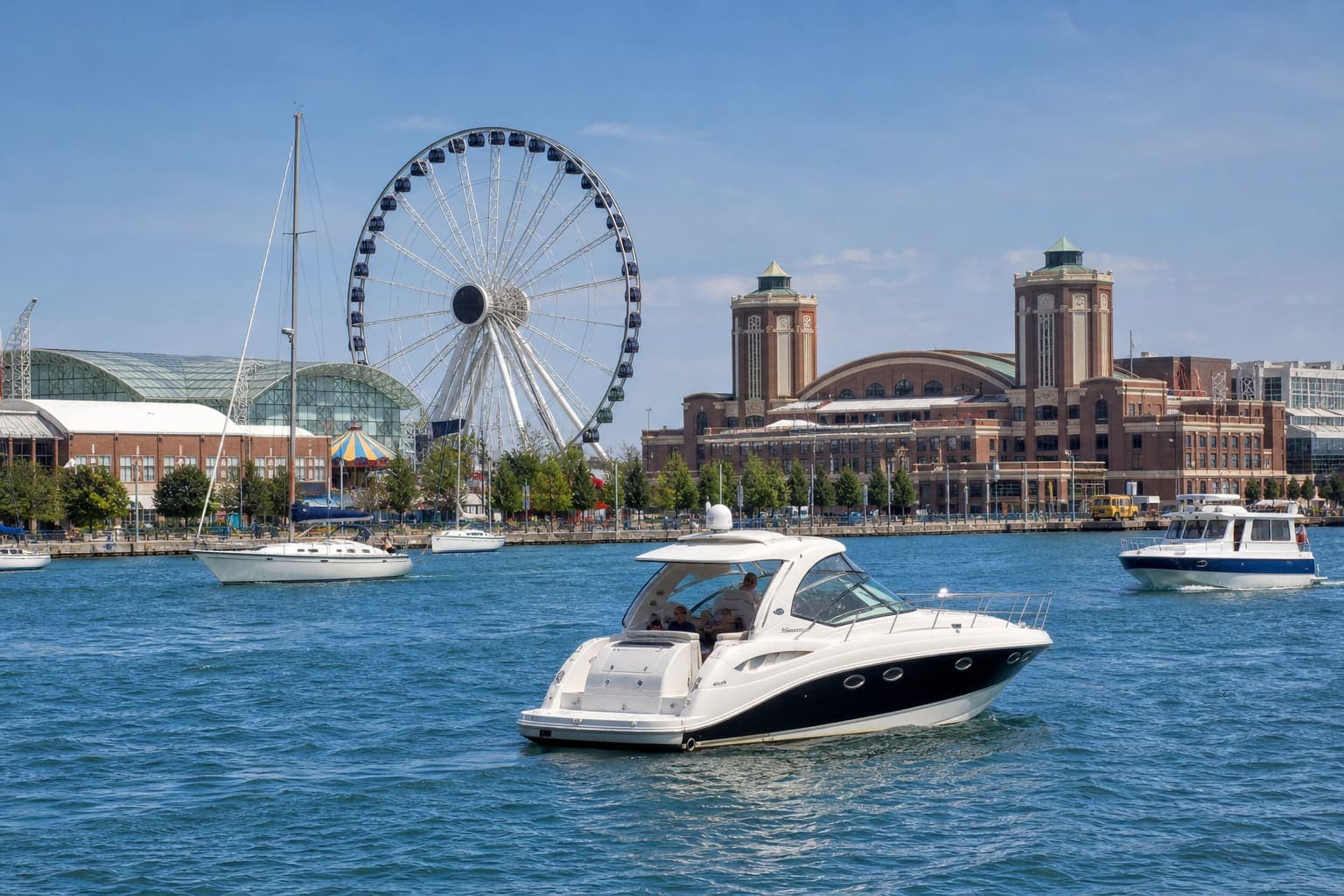
The Chicago Playpen, Navy Pier fireworks, the Air & Water Show, and the daily sunset over the downtown skyline are the signature boating experiences that draw thousands to Lake Michigan every summer. Each has its own booking logistics and best-practice guidance covered in detail throughout this site.
Licensing, Safety, and Regulations
Illinois requires a Boating Safety Education Certificate for boat operators born after January 1, 1998. The course is available online through the Illinois DNR and qualifies operators on all Illinois waterways including Lake Michigan.
USCG life jacket requirements: all vessels must carry one USCG-approved life jacket per person aboard. Children under 13 must wear them whenever the boat is underway in Illinois. Adults are strongly encouraged to wear them in rough conditions or when alone on deck.
Illinois law prohibits operating a boat with a blood alcohol content of 0.08% or higher — the same limit as driving. USCG and Illinois Conservation Police patrol Lake Michigan actively. On captained charters, the captain operates the vessel; guests who've had a drink are passengers, not operators.
VHF marine radio is the standard communication tool on Lake Michigan. Channel 16 is the distress and hailing channel — all vessels underway should monitor it. The US Coast Guard Sector Lake Michigan provides SAR (search and rescue) coverage for Chicago-area waters.
Booking, Cost, and Logistics
Book early for peak season weekends. Memorial Day, July 4th, the Air & Water Show, and Labor Day weekends see demand far exceed supply. For summer weekends, 2–4 weeks advance booking is minimal; for major event weekends, 6–8 weeks or more.
Pricing for Chicago boat rentals and charters is not standardized. Party boats, pontoons, sailboats, and yachts all command different rates depending on size, season, duration, and included services. Get specific quotes from operators for your date and group size.
Tips are expected and appreciated. Captains and crew who deliver a great experience rely on gratuity as a significant part of their income — the 15–20% standard applies to the charter fee for good service.
Commonly Misunderstood Rules and Etiquette on Lake Michigan
The no-wake rule near Chicago's harbor entrances is frequently misunderstood by newer boaters. 'No-wake' doesn't mean 'go slow' — it means your vessel should be operating at a speed that produces no visible wake. For many boats, this means speeds under 5 mph in harbor approach areas. Violating no-wake zones creates waves that rock moored vessels, endangers swimmers, and can result in citations from the USCG or Illinois Conservation Police who patrol the Chicago lakefront.
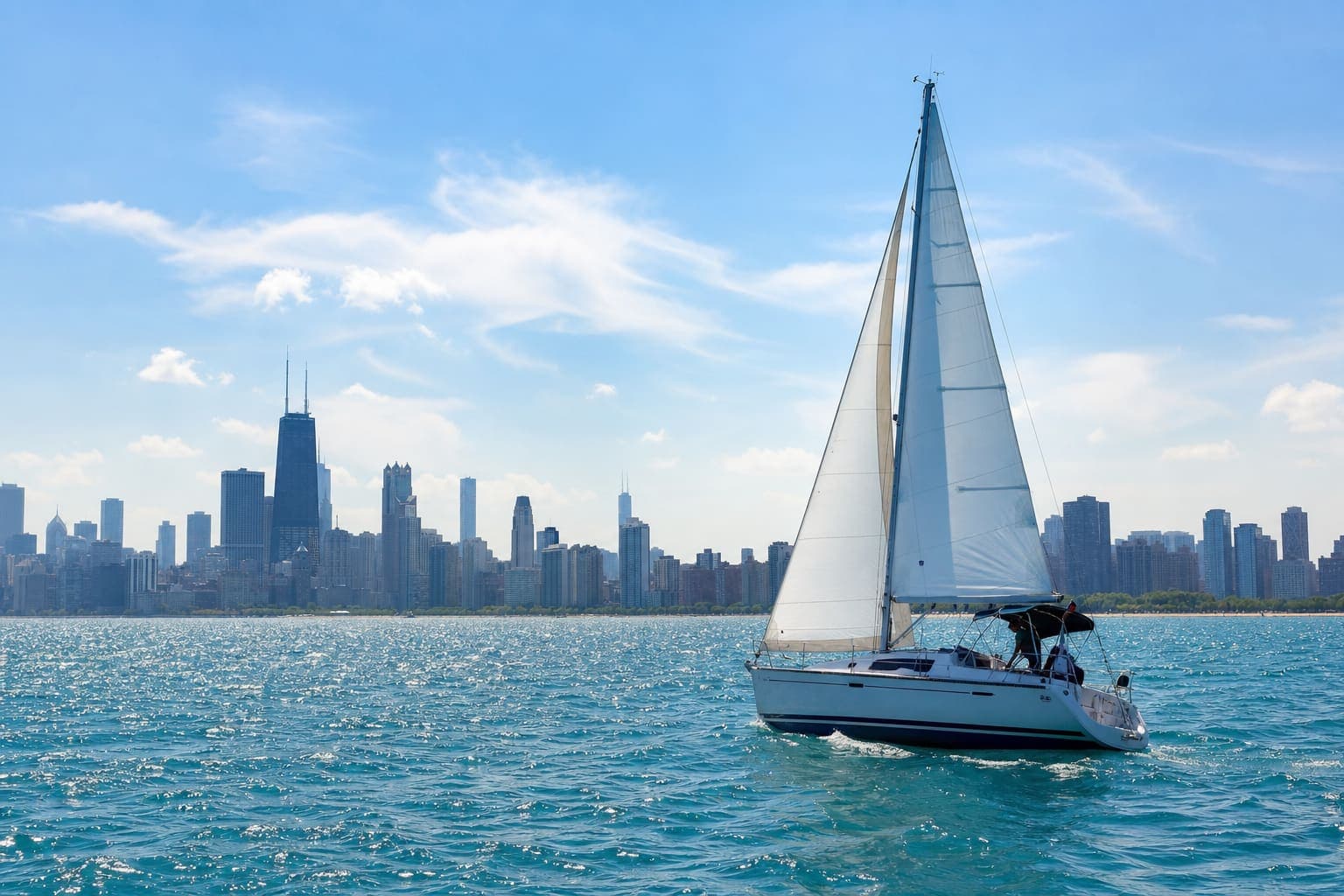
Right-of-way rules on Lake Michigan follow the COLREGS, which apply to all US navigable waterways. In general: sailboats under sail have right of way over motorized vessels in most situations, vessels being overtaken have right of way, and vessels meeting head-on should both turn to starboard. These rules are simplified summaries — anyone operating a vessel on Lake Michigan should have actual familiarity with the relevant provisions rather than relying on memory of a rule summary.
Anchoring in Chicago's harbors outside of designated anchorage areas is generally prohibited. The Playpen is an exception — this informal anchorage in open Lake Michigan water east of Oak Street Beach is publicly accessible for recreational anchoring without a permit. Within managed harbor basins, anchoring in fairways or near other vessels' berths is not acceptable and will draw attention from harbor staff and fellow boaters.
Planning Your Chicago Boating Itinerary: Putting It All Together
The classic Chicago boating day for visitors combines a morning activity with an afternoon lake experience. A Chicago River architecture cruise at 10am (75 minutes) followed by a Riverwalk lunch and an afternoon Playpen pontoon charter departing at 2pm creates a full, varied day that covers both of Chicago's primary water environments. This combination is achievable for visitors with a single free day and basic advance booking.
For multiple-day visitors, day one might be the architecture cruise and river experience while day two is the lake experience — a sunset sailing charter or a Playpen party boat. This pacing allows each experience to feel complete rather than rushed, and gives time to adjust for any weather delays. Planning the lake experience for day two also gives you more weather forecast visibility, since multi-day forecasts are less reliable than next-day forecasts.
Fishing charter guests should plan around an early departure that returns them to the harbor by early afternoon — leaving the afternoon free for city exploration without the fatigue that a full-day outdoor experience brings. The fishing charter as morning activity, museum or neighborhood exploration as afternoon activity, and a Chicago restaurant as evening culmination is a structure that many charter guests find ideal for integrating the on-water experience into a broader Chicago day.
Chicago Boating Resources: Where to Find Current Information
The National Weather Service Lake Michigan marine forecast is the most important resource for anyone boating on Chicago's lake. The forecast is available online and as a VHF marine radio broadcast on WX channels — monitoring it before every trip and staying aware of updates during longer outings is standard practice for responsible Lake Michigan boating. Chicago's summer weather can include fast-developing thunderstorms that require prompt action to avoid.
Chicago Harbors (operated by the Chicago Park District) is the official administrative resource for all harbor facilities in the city. Their website and phone line handle slip availability, transient dockage, haul-out scheduling, and facility-specific information. For charter guests, instant-booking options on this page and affiliate partner listings are the most efficient booking resources — Chicago Harbors itself does not match guests with charter operators.
The US Coast Guard Auxiliary offers free Vessel Safety Checks (VSC) throughout the boating season at Chicago-area harbors. A VSC verifies that your boat meets federal and state safety equipment requirements and results in a dated decal that can be useful when selling a vessel. For new boat owners in Chicago, requesting a VSC early in the season is a practical way to confirm your boat's compliance and identify any equipment gaps before they become a problem on the water.