Where to Paddleboard in Chicago
Several lakefront locations offer SUP rentals and access. Calm protected areas near the harbors — especially during morning hours before the afternoon lake breeze develops — are ideal for beginner paddleboarders. The Chicago River is another option with some operators offering both kayak and SUP rentals from downtown launch points.
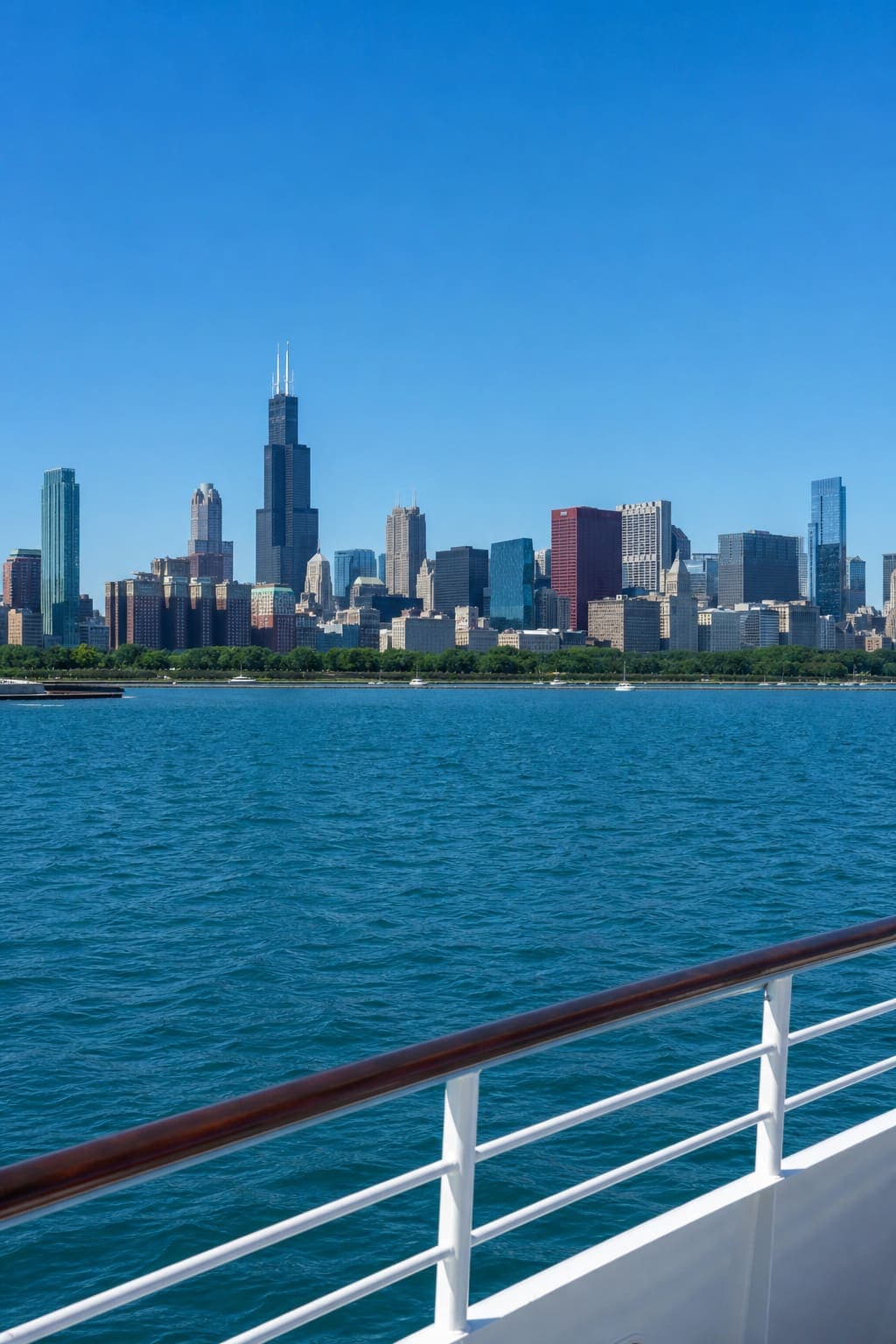
Open Lake Michigan offers more challenge and more dramatic scenery. Conditions permitting, paddling out a few hundred yards from shore gives you an unobstructed view of the downtown skyline that's genuinely breathtaking. However, Lake Michigan is an inland sea — wind and wave conditions require respect, especially for newer paddleboarders.
Check current operators and available launch points before planning your SUP session. The market for paddleboard rentals in Chicago can change year to year, and operator locations vary.
SUP Tips for Chicago Beginners
Start on your knees. Before attempting to stand, get comfortable with kneeling on the board and paddling. Once you feel stable kneeling, transition to standing. Rushing to your feet too quickly on your first session is the most common beginner mistake.
Morning is better. Lake Michigan wind picks up in the afternoon, creating conditions that challenge even experienced SUP riders. Early morning sessions — before 10am when possible — give you the flattest water and the most forgiving conditions for learning.
Falls are part of the learning curve. Lake Michigan water is safe for swimming, and falling off the board is expected for beginners. Don't be embarrassed — just climb back on and try again. Your leash (attached to the board) keeps the board close after a fall.
Core strength matters more than arm strength. SUP is primarily a balance sport — your legs and core do most of the work, not your arms. Keep your core engaged, bend your knees slightly, and keep your gaze on the horizon rather than at your feet.
SUP vs Kayaking in Chicago: Which is Right for You?
The main practical difference: kayaking is more stable and lower to the water, while SUP is a standing-balance experience with more exposure to wind but a better view. Kayaking is generally easier for beginners to control; SUP is more of a workout and many find it more fun once the balance clicks.
For photography enthusiasts, SUP gives you a slightly elevated vantage point — you're standing above the water, which can make for better skyline and bridge photos than you'd get sitting in a kayak. For those who primarily want a comfortable, relaxed paddle, kayaking wins.
If you're unsure which to try, some operators offer both and you can make a day-of decision based on conditions. On calmer days with flat water, SUP is the more enjoyable experience. On windier days, stick to the kayak.
Practical Techniques That Help First-Timers Stand Up
The balance challenge on a SUP board is primarily about where you look and how you position your weight — two things instructors communicate clearly but first-timers often forget in the excitement of trying to stand. Look at the horizon, not at your feet. Your gaze affects your balance more than you'd expect. Feet pointing forward, hip-width apart, weight centered over the board's midline, knees slightly bent to absorb micro-adjustments.
The paddle itself helps your balance if you use it proactively. A light brace on either side — holding the paddle flat on the water surface at arm's length — adds meaningful stability during the transition from kneeling to standing. Most first-timers try to stand without using the paddle for support, which is harder than it needs to be and leads to more falls early in the session.
Once standing, the most common mistake is over-correcting. Small waves and micro-chop on Lake Michigan produce constant balance challenges — the instinct is to react to each one with a big movement, which causes more instability, not less. Let your body absorb small movements passively, and only use the paddle for active corrections when you feel a significant wobble developing. Calm is faster than frenetic adjustment.
The Physical Benefits of Regular SUP Sessions on Lake Michigan
Stand-up paddleboarding is one of the most complete low-impact workout activities available in Chicago. A one-hour session at moderate pace engages the core, the upper back, the shoulders, the glutes, and the legs — essentially the full body, with the core working continuously as a stabilizer. Many dedicated practitioners find it more effective for core conditioning than yoga or Pilates because of its dynamic, real-world demand on balance.
The mental health dimension of time on open water is real. Chicago's lakefront, for many residents, is the antidote to an urban environment that never stops. SUP specifically engages enough attention to prevent phone use and social media scrolling, while being calm enough to allow a genuine mental reset. A morning paddle before work is a regular practice for many Chicago residents who live near the lakefront.
Paddleboarding builds balance and proprioception that transfers to other sports. Skiers, golfers, and yoga practitioners all find elements of their sport reinforced by regular SUP practice — the board demands constant micro-adjustments that develop balance skills more thoroughly than gym-based training typically does. For Chicagoans who are active across multiple sports, adding SUP to a summer routine offers cross-training benefits that complement nearly any other activity.
Finding SUP Rental Operators and Checking Current Availability
The SUP rental market in Chicago is somewhat more fluid than kayak or jet ski rentals — operators enter and exit the market season to season, and launch locations can change. Before planning a SUP session, confirm current operator availability through tour booking platforms like Viator and GetYourGuide, which list currently active rental experiences with real-time booking availability. Our affiliate partners also surface current SUP options when you filter by water sport type.
If you're a regular Chicago paddler or planning to SUP multiple times in a season, some operators offer multi-session packages or memberships that reduce the per-session cost. Paddleboard clubs occasionally offer intro sessions and open paddle events at lakefront locations that provide access to boards without a formal rental. Connecting with Chicago's active paddling community through social media groups is a way to find these informal access opportunities.